
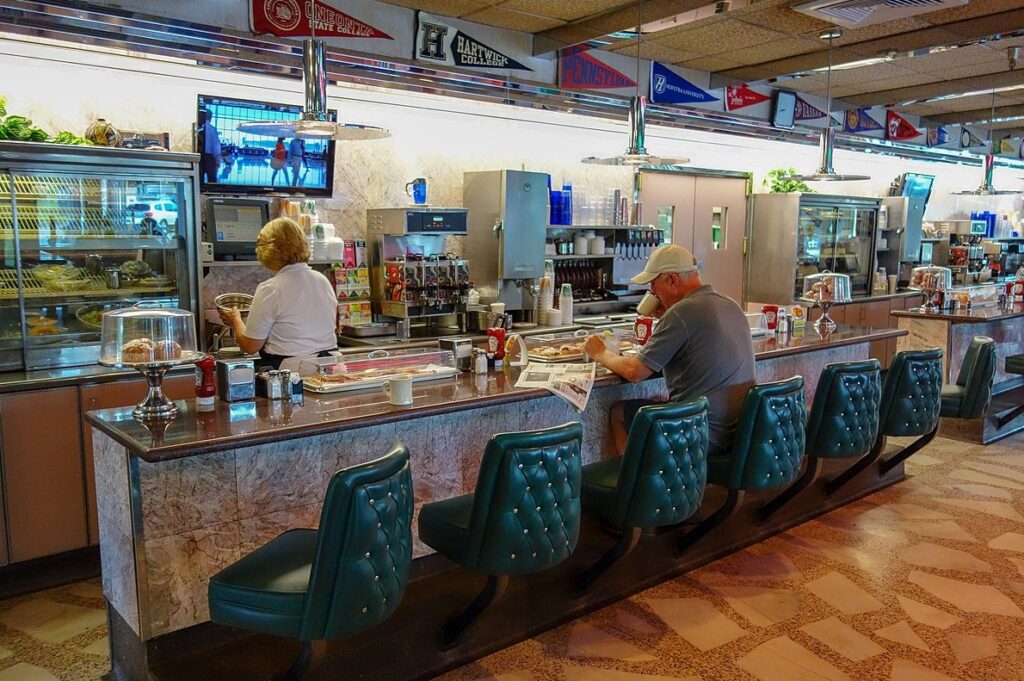
In an age of digital reservations and curated experiences, the classic American diner stands as a glorious monument to immediacy, authenticity, and human connection. The ritual of sitting at the counter—elbows on Formica, swiveling on a vinyl stool—is a uniquely democratic dining tradition. Here, everyone is equal: the construction worker, the nurse ending a night shift, the family on a road trip, and the solo regular. The diner counter is a stage where the art of short-order cooking is performed in real-time, a ballet of sizzle, shout, and seamless efficiency that has changed little in decades.
The magic begins with the short-order cook, the unsung virtuoso of this domain. Operating on a cramped line with unwavering focus, they manage a symphony of simultaneous requests: eggs over easy, hash browns extra crisp, a patty melt, and a stack of pancakes. Their tools are simple—a well-seasoned griddle, a powerful flattop, and an intuitive sense of timing. There is no sous-vide or molecular gastronomy here, only fundamental skill: knowing exactly when to flip a burger, how to achieve the perfect lace edge on an omelet, and the precise sound of bacon achieving ideal crispness. It’s high-pressure, heat-fueled craftsmanship.
This performance is choreographed with the server, a role that demands equal parts memory, speed, and warmth. The interaction is a rapid-fire exchange of coded language and shorthand, a system perfected over years. A good server knows not just how you take your coffee, but when you’ll need a refill. They are confidant, comedian, and caretaker, often forming years-long relationships with their “counter regulars.” The service is direct, personal, and refreshingly devoid of scripted hospitality, built instead on genuine, if brisk, rapport.
The menu is a testament to culinary democracy and comfort, a sprawling document offering everything from hearty breakfasts served all day to mile-high club sandwiches, open-faced roast turkey plates, and slices of pie under glass domes. It is food designed to satisfy and sustain, built on familiar flavors and generous portions. The quality lies in its consistency and honesty; the tuna salad is made fresh daily, the soups are simmered for hours, and the cherry pie filling is (in the best examples) actually made from cherries. It is cuisine without pretense, and therein lies its profound appeal.
Beyond the food and service, the diner serves a crucial social function. It is a community anchor, a neutral ground where people from all walks of life intersect. It’s a place for quiet contemplation with a bottomless cup of coffee, for animated gossip with friends, for business deals sealed over a BLT. The ambiance—with its chrome accents, neon signage, and vinyl booths—functions as a living museum of mid-century American design, evoking a powerful, comforting nostalgia. The hum of conversation, the clatter of dishes, and the scent of frying onions create an atmosphere that is perpetually welcoming.
Rediscovering the classic diner is an act of reconnecting with a foundational piece of American culture. In a fragmented world, it remains a rare space of unmediated interaction and reliable comfort. It reminds us that great hospitality doesn’t require a tasting menu or a sommelier; sometimes, it’s found in the swift pour of coffee, the crisp of well-griddled potatoes, and the genuine “How ya doin’?” from a server who means it. The art of the counter service is the art of nourishing both body and community, one honest meal at a time.